Philippines Travel Budget Per Day: Realistic Daily Costs for Every Traveler
A realistic Philippines travel budget per day ranges from ₱1,500-₱2,500 for backpackers to ₱3,000-₱5,000 for mid-range travelers and ₱8,000+ for luxury stays.
Planning your Philippines travel budget per day starts with understanding what you'll actually spend. For 2026 travel, a realistic daily budget ranges from ₱1,500-₱2,500 (about $27-$45) for backpackers to ₱3,000-₱5,000 ($55-$90) for comfortable mid-range travel, and ₱8,000+ ($145+) for luxury experiences. Your exact Philippines daily travel costs depend on your travel style, itinerary choices, and how you balance spending between accommodation, food, transportation, and activities. These estimates are based on typical 2026 prices for hostels, local eateries, public transport, and moderate activity participation during peak season.
How Much Money Do I Need Per Day in the Philippines?
Your daily budget in the Philippines breaks down into four main categories: accommodation, food, transportation, and activities. Backpackers can survive on ₱1,500 per day by staying in dorm beds, eating at local eateries, using public transport, and choosing free activities. Mid-range travelers spending ₱3,000-₱5,000 daily get private rooms, restaurant meals, occasional taxis, and paid tours. Luxury travelers at ₱8,000+ enjoy beachfront resorts, fine dining, private transfers, and premium experiences.
Remember these are estimates—your actual spending varies based on location, season, and personal choices. Manila costs 20-30% more than provincial areas, while popular tourist islands like Boracay and Palawan command premium prices. Peak season (December-April) sees higher rates, while rainy season (June-October) offers better deals but limited island access.
Backpacker Daily Budget Breakdown
A backpacker's Philippines travel budget per day focuses on essentials while maximizing experiences. Here's what ₱1,500-₱2,500 typically covers:
Accommodation: ₱400-₱800
- Dorm bed in hostels or budget guesthouses
- Fan rooms with shared bathrooms
- Basic amenities, sometimes including breakfast
Food: ₱500-₱800
- Street food and carinderia (local eatery) meals: ₱100-₱150 per meal
- Market fruits and snacks: ₱50-₱100
- Occasional restaurant meal: ₱200-₱300
Transportation: ₱300-₱500
- Jeepneys, tricycles, and local buses
- Occasional ferry to islands
- Walking between nearby attractions
Activities: ₱300-₱600
- Free beach days and hiking
- Occasional island hopping: ₱1,200-₱2,000 shared among group
- Museum or attraction entry: ₱100-₱300
Backpackers excel at finding value: eating where locals eat, traveling during off-peak hours, and sharing tour costs with fellow travelers. Using apps like Tripence helps track these small daily expenses that add up quickly.

Mid-Range Traveler Daily Costs
Mid-range travelers enjoy more comfort while maintaining reasonable spending. A ₱3,000-₱5,000 daily budget provides:
Accommodation: ₱1,200-₱2,000
- Private room with air conditioning and private bathroom
- 3-star hotels or boutique guesthouses
- Sometimes includes breakfast and WiFi
Food: ₱800-₱1,200
- Mix of local eateries and mid-range restaurants
- Occasional Western food: ₱300-₱500 per meal
- Drinks at bars or cafes: ₱100-₱200 each
Transportation: ₱600-₱1,000
- Mix of public transport and Grab (Southeast Asia's Uber)
- Occasional taxi for convenience
- Ferry tickets to major islands
Activities: ₱400-₱800
- More paid tours and attractions
- Scuba diving or specialized activities: ₱1,500-₱3,000
- Spa treatments or massages: ₱400-₱800
Mid-range travelers balance comfort with cultural immersion. They might splurge on a private island tour one day, then save by eating street food the next. This flexibility makes the Philippines particularly rewarding for this budget level.
Luxury Traveler Daily Expenses
Luxury travel in the Philippines starts around ₱8,000 daily and has virtually no upper limit. Here's what premium budgets cover:
Accommodation: ₱3,000-₱6,000+
- 4-5 star resorts and boutique hotels
- Beachfront properties with pools and amenities
- All-inclusive packages available
Food: ₱1,500-₱3,000+
- Fine dining restaurants and hotel restaurants
- International cuisine and premium seafood
- Wine and cocktails with meals
Transportation: ₱1,000-₱2,000+
- Private car transfers and drivers
- Domestic flights between islands
- Private boat charters for island hopping
Activities: ₱2,500-₱4,000+
- Exclusive private tours
- Premium diving packages and yachting
- Spa treatments and wellness activities
Luxury travelers enjoy personalized experiences, from private chefs to bespoke itineraries. While costs are higher, the Philippines offers exceptional value compared to other tropical destinations at this price point.
What Daily Budget Works for Island Hopping?
Island hopping significantly impacts your Philippines travel budget per day. While mainland travel costs less, accessing the famous islands requires extra planning and spending.
Transportation to Islands:
- Ferry tickets: ₱500-₱1,500 per journey
- Domestic flights: ₱2,000-₱4,000 one way
- Private boat transfers: ₱3,000-₱8,000 per group
Island-Specific Costs:
- Boracay: 20-30% premium on everything
- Palawan (El Nido/Coron): Higher due to remote location
- Siargao: Mid-range pricing with surf focus
- Bohol/Cebu: More affordable island access
Daily Island Budget Adjustments:
- Add ₱500-₱1,000 to your mainland budget
- Factor in mandatory environmental fees: ₱50-₱200 per day
- Account for higher food and accommodation costs
Pro tip: Combine island visits to minimize ferry costs, and consider flying between distant islands to save time. Like planning for Japan travel budgets, grouping destinations geographically reduces transportation expenses.
Food and Drink Daily Costs
Philippine cuisine offers incredible value at every price point. Your daily food budget depends heavily on where and what you eat.
Budget Eating (₱500-₱800 daily)
- Carinderia meals: ₱100-₱150 per plate
- Street food: ₱20-₱50 per item
- Local markets: Fresh fruits for ₱50-₱100
- Water: ₱20-₱40 per liter bottle
Mid-Range Dining (₱800-₱1,500 daily)
- Local restaurants: ₱200-₱350 per meal
- International chains: ₱300-₱500 per meal
- Cafe snacks: ₱150-₱250
- Beer at bars: ₱80-₱150 per bottle
Luxury Dining (₱1,500-₱3,000+ daily)
- Fine dining: ₱800-₱1,500+ per person
- Resort restaurants: ₱500-₱1,000 per meal
- Imported wines: ₱400-₱800 per glass
- Premium seafood feasts: ₱1,000-₱2,000
Drinking water costs add up—filtered water stations (₱2-₱5 per liter) save money and reduce plastic. Local beers (San Miguel, Red Horse) cost ₱50-₱80 in stores but ₱100-₱150 in bars. Cocktails range from ₱150 in local bars to ₱400+ in upscale venues.
Transportation Daily Budget
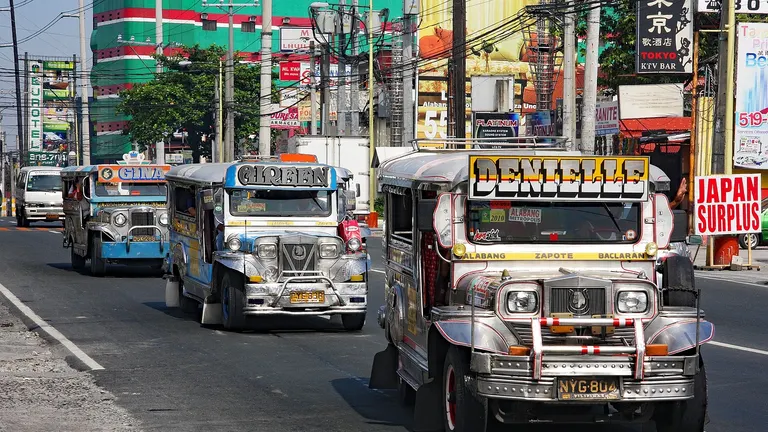
Getting around the Philippines involves various modes, each with different costs. Here's a daily transportation breakdown:
| Transport Type | Cost Range | Best For |
|---|---|---|
| Jeepney | ₱10-₱25 per ride | Short city trips |
| Tricycle | ₱50-₱150 per ride | Last-mile transport |
| Local Bus | ₱100-₱300 per journey | Inter-city travel |
| Grab/Taxi | ₱150-₱400 per ride | Convenience, AC comfort |
| Ferry | ₱500-₱1,500+ | Island transfers |
| Domestic Flight | ₱2,000-₱4,000+ | Long-distance travel |
Daily Transportation Strategies:
- Combine destinations to minimize trips
- Use jeepneys for short distances
- Negotiate tricycle fares before riding
- Book ferries in advance during peak season
- Consider overnight buses to save accommodation costs
Regional variations matter: Manila has extensive jeepney routes and the MRT/LRT (₱15-₱30), while islands rely on tricycles and habal-habal (motorcycle taxis). Always confirm transportation availability during rainy season when some routes become impassable.
Activity and Tour Daily Expenses
Activities range from free to premium. Budgeting ₱300-₱600 daily for backpackers or ₱400-₱800 for mid-range travelers covers most experiences.
Free Activities:
- Beach days and swimming
- Hiking to viewpoints
- Exploring local markets
- Visiting public parks and plazas
- Church and historical building visits
Paid Activities (Typical Prices):
- Island hopping tours: ₱1,200-₱2,500 per person
- Scuba diving: ₱1,500-₱3,000 per dive
- Waterfalls entry: ₱50-₱200
- Museum entry: ₱100-₱300
- Zipline/adventure parks: ₱500-₱1,500
- Spa/massage: ₱400-₱1,200
Seasonal Considerations:
- Dry season (Dec-Apr): All activities available, higher prices
- Shoulder season (May-Jun, Nov): Good availability, moderate prices
- Rainy season (Jul-Oct): Limited island access, best deals
Group tours offer better value—many island hopping packages become affordable when shared among 4-6 people. Always check what's included: some tours exclude environmental fees, meals, or equipment rental.
Regional Daily Cost Variations
Your Philippines travel budget per day changes dramatically depending on location. Understanding these variations helps allocate funds appropriately.
Metro Manila (Highest Costs)
- Accommodation: +30-50% vs provinces
- Food: +20-40% for similar meals
- Transportation: Extensive but crowded options
- Activities: Museums, shopping malls, urban attractions
Tourist Islands (Premium Pricing)
- Boracay: Most expensive, especially beachfront
- Palawan: Remote location increases costs
- Siargao: Mid-range with surf premium
- Cebu/Bohol: More affordable island experiences
Provincial Mainland (Best Value)
- Accommodation: 30-50% cheaper than Manila
- Food: Authentic local prices
- Transportation: Basic but functional
- Activities: Natural attractions dominate
Budget Allocation Strategy:
- Spend more days in affordable regions
- Schedule expensive islands as shorter stays
- Use Manila as transit hub rather than extended stay
- Balance expensive destinations with budget-friendly ones
Like optimizing a Japan itinerary, geographic planning significantly impacts your overall Philippines travel budget per day.
Money-Saving Daily Strategies
Stretching your Philippines daily budget involves smart choices rather than deprivation. These strategies help maximize experiences while minimizing costs.
Accommodation Savings
- Book hostels with kitchen access to prepare simple meals
- Choose fan rooms over air conditioning (save ₱200-₱400 nightly)
- Stay slightly away from main tourist areas
- Consider homestays for authentic local experiences
Food Cost Reduction
- Eat at carinderias for authentic, affordable meals
- Buy fruits and snacks from markets instead of convenience stores
- Carry a reusable water bottle and use refill stations
- Limit restaurant drinks—opt for water instead
Transportation Efficiency
- Use jeepneys for short trips instead of tricycles
- Walk between nearby attractions
- Group destinations to minimize transport trips
- Travel during off-peak hours for less crowded transit
Activity Optimization
- Prioritize free natural attractions
- Share tour costs with other travelers
- Visit museums on free admission days
- Negotiate group rates for activities
General Money Tips
- Withdraw larger amounts to minimize ATM fees
- Use credit cards with no foreign transaction fees
- Avoid currency exchange at airports (poor rates)
- Monitor daily spending with a budget tracker
The key to managing your Philippines travel budget per day is balance—saving in some areas allows splurging in others without blowing your overall budget.
Bottom Line
Your Philippines travel budget per day realistically ranges from ₱1,500 for bare-bones backpacking to ₱5,000 for comfortable mid-range travel, with luxury experiences starting around ₱8,000 daily. These 2026 estimates account for typical hostel accommodation, local food, public transportation, and moderate activity participation during peak season. Your actual spending depends on itinerary choices, travel style, and how you balance costs between accommodation, food, transportation, and activities.
Remember that location dramatically impacts costs—Manila and popular tourist islands command premium prices, while provincial areas offer exceptional value. Island hopping adds significant transportation expenses but delivers iconic Philippine experiences. By tracking daily expenses and adjusting spending as you go, you can enjoy everything the Philippines offers while staying within your budget. Start planning with realistic daily figures, then adapt based on what matters most to your travel experience.
Frequently asked questions
How much money do I need per day in the Philippines?
A realistic Philippines daily budget ranges from ₱1,500-₱2,500 for backpackers (dorm beds, street food, public transport), ₱3,000-₱5,000 for mid-range travelers (private rooms, restaurants, occasional tours), and ₱8,000+ for luxury travel (resorts, fine dining, private transfers). These are 2026 estimates based on typical prices during peak season.
What's a backpacker's daily budget in the Philippines?
Backpackers can manage on ₱1,500-₱2,500 daily. This covers dorm accommodation (₱400-₱800), street food and local eatery meals (₱500-₱800), public transportation like jeepneys and tricycles (₱300-₱500), and free activities with occasional paid tours (₱300-₱600). Staying in provincial areas rather than tourist islands keeps costs at the lower end.
How expensive are tourist activities per day?
Daily activity costs range from free (beaches, hiking, markets) to ₱300-₱600 for backpackers or ₱400-₱800 for mid-range travelers. Island hopping tours cost ₱1,200-₱2,500, scuba diving ₱1,500-₱3,000 per dive, and adventure activities ₱500-₱1,500. Many activities become affordable when shared among a group of travelers.
What daily budget works for island hopping?
Island hopping requires adding ₱500-₱1,000 to your mainland daily budget. Ferry tickets cost ₱500-₱1,500 per journey, plus environmental fees (₱50-₱200 daily). Accommodation and food prices are 20-30% higher on tourist islands. Budget ₱2,000-₱3,500 daily for backpacker island hopping or ₱4,000-₱6,000 for mid-range comfort.
How much should I budget for food daily?
Daily food budgets range from ₱500-₱800 for backpackers (street food and local eateries), ₱800-₱1,500 for mid-range (mix of local and restaurant meals), to ₱1,500-₱3,000+ for luxury dining. Local carinderia meals cost ₱100-₱150, while restaurant meals range from ₱200-₱500. Drinking water adds ₱20-₱40 daily unless using refill stations.