Is the Philippines Expensive? A Realistic Travel Cost Breakdown
The Philippines isn't expensive compared to Western countries, but costs vary wildly between backpacker hostels and luxury resorts. Here's what to expect for your budget.
The Philippines isn't expensive for most international travelers, especially compared to North America or Western Europe. Your daily costs can range from as little as $25-40 USD for basic backpacker travel to $150-300+ for comfortable mid-range trips with tours and nice hotels. The keyword here is variation—what makes the Philippines expensive for some travelers is entirely manageable for others depending on choices and expectations. You'll find Southeast Asia's typical affordability mixed with some uniquely Philippine cost factors that can surprise first-time visitors.
Is Philippines expensive compared to other countries?
Compared to its Southeast Asian neighbors, the Philippines sits somewhere in the middle of the price spectrum. It's generally more affordable than Singapore, Japan, or South Korea, but can be slightly pricier than Vietnam, Cambodia, or Indonesia for certain things. Let's break it down by category.
Accommodation: Budget hostels in Manila or Cebu start around $8-15 per night for a dorm bed, similar to Thailand and Vietnam. Mid-range hotels in popular tourist areas like Boracay or Palawan run $40-80, which is comparable to Bali but higher than what you'd pay in Chiang Mai or Hanoi for similar quality.
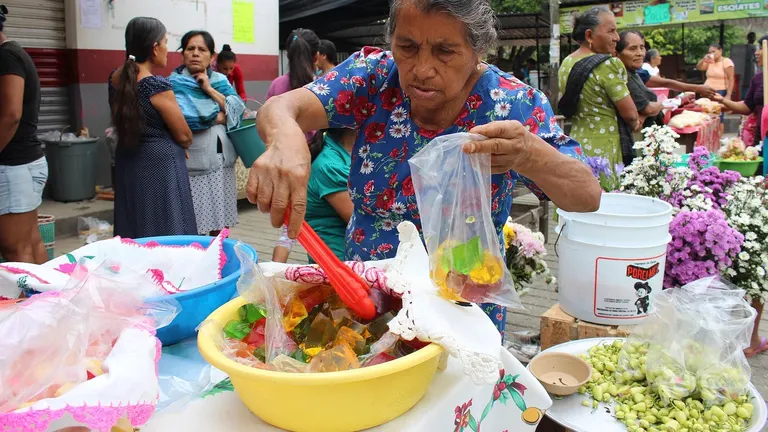
Food: Street food and local eateries (carinderias) offer meals for $1-3, making the Philippines cheaper than Malaysia for local cuisine. Western food and restaurant dining in tourist zones costs about the same as Thailand—$8-15 for a decent meal with drinks.
Transportation: Domestic flights between islands are where the Philippines gets noticeably more expensive than its neighbors. A one-way ticket from Manila to Cebu or Palawan often costs $40-80, while similar distances in Vietnam or Thailand might be $25-50 on budget airlines. Jeepneys and tricycles for local transport are incredibly cheap at $0.20-0.50 per ride.
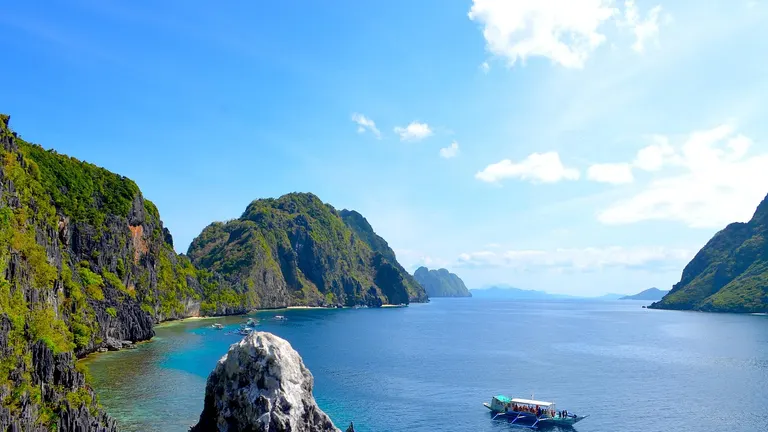
Activities: Island tours, diving, and adventure activities cost about the same as Thailand's tourist hotspots. A day tour to El Nido's islands runs $25-35 per person, while diving in Moalboal costs $30-45 for two dives with equipment.
What makes Philippines expensive or affordable?
Several factors push costs up or down, and understanding these helps you plan better.
Geography drives up transportation costs The Philippines is an archipelago of over 7,000 islands. Getting between them requires ferries or flights, and neither option is particularly cheap. Ferry companies have limited competition on many routes, and domestic airlines face higher operational costs. If you're island-hopping extensively, transportation can easily become your biggest expense.
Tourist infrastructure varies wildly Popular destinations like Boracay, Palawan, and Cebu have well-developed tourism sectors with prices to match. Remote islands and less-visited regions offer much better value. The difference between eating at a resort restaurant versus a local carinderia is often 300-500% for similar food.
Seasonal pricing hits hard Peak season (December to April, especially around Christmas and Easter) sees hotel prices double or triple in tourist areas. Domestic travelers flood popular spots during long weekends, pushing up accommodation costs. Visiting during shoulder seasons (May-June or September-November) can cut your lodging bill by 30-50%.
Foreigner pricing persists While not as widespread as in some countries, you'll still encounter dual pricing at some tourist attractions, especially national parks and historical sites. The difference is usually modest—foreigners might pay $4 while locals pay $1—but it adds up across multiple sites.
How expensive is Philippines for different types of travelers?
Your travel style dramatically affects whether the Philippines feels expensive or affordable. Here's what three common traveler profiles might spend daily (2026 estimates based on typical mid-range travel, local food, and moderate activities).
| Traveler Type | Accommodation | Food | Transport | Activities | Daily Total |
|---|---|---|---|---|---|
| Budget Backpacker | $8-15 (hostel dorm) | $6-10 (street/local food) | $5-10 (jeepneys/tricycles) | $5-15 (free walks, cheap tours) | $24-50 |
| Mid-Range Traveler | $30-60 (private room, AC) | $15-25 (mix of local & restaurants) | $15-30 (some flights/taxis) | $20-40 (guided tours, diving) | $80-155 |
| Luxury Traveler | $100-300+ (resort/hotel) | $40-80 (restaurants/bars) | $50-100+ (private transfers) | $50-150+ (private tours, premium activities) | $240-630+ |
Backpackers will find the Philippines reasonably affordable if they stick to local transport, street food, and basic accommodation. The challenge comes when moving between islands—those ferry or flight costs eat into a tight budget quickly.
Mid-range travelers get good value, especially if they mix cheaper local experiences with occasional splurges. You can have a comfortable private room, eat well, and do most activities without breaking the bank.
Luxury seekers face prices comparable to other tropical destinations. High-end resorts in Palawan or Boracay charge international rates, and premium services like private yacht charters or helicopter tours come with premium price tags.
When does Philippines become expensive vs affordable?
The Philippines feels expensive when:
- You're island-hopping frequently (flights add up fast)
- You visit during peak holiday seasons
- You stay exclusively in tourist resort areas
- You eat Western food at tourist restaurants
- You rely on taxis instead of local transport
- You book last-minute during busy periods
The Philippines feels affordable when:
- You base yourself in one or two regions
- You travel during shoulder or low seasons
- You stay in locally-owned guesthouses
- You eat at carinderias and street stalls
- You use jeepneys, tricycles, and buses
- You plan and book domestic flights 2-3 months ahead
How to manage costs when visiting Philippines
Smart planning makes a huge difference in how expensive the Philippines feels. These strategies come from experienced travelers who've navigated the country's unique cost structure.
Book domestic flights early and strategically Philippine airlines typically release cheap seats 3-4 months in advance. Prices only go up as departure approaches. Consider open-jaw itineraries (fly into one city, out of another) to avoid backtracking. Use flight comparison tools to check multiple carriers—Cebu Pacific, Philippine Airlines, and AirAsia often have different sales cycles.
Mix accommodation types Instead of staying in resorts every night, try a pattern: 2 nights in a nice hotel, 3 nights in a budget guesthouse, 1 night in a hostel. This cuts costs while still giving you comfort breaks. Many mid-range hotels offer significant discounts for stays of 3+ nights.
Eat like a local at lunch, splurge at dinner Carinderias offer complete meals (rice, protein, vegetable) for $1-2. Eat your main meal at lunch when these places are busiest and freshest. Then you can afford a nicer restaurant dinner occasionally without blowing your budget. Avoid hotel restaurants—walk 5-10 minutes away for better prices.
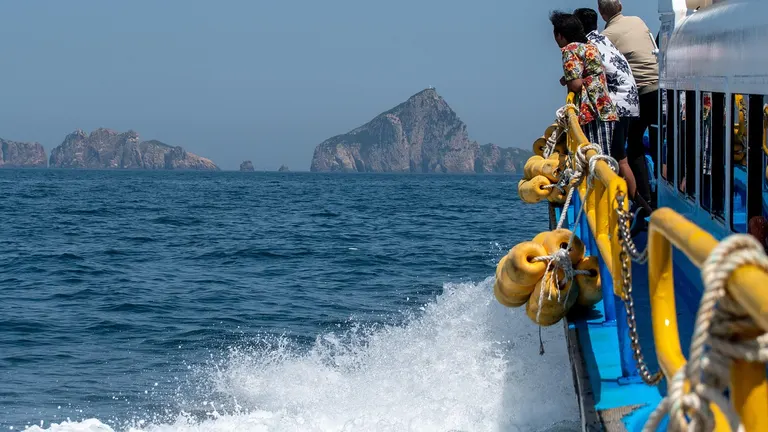
Use ferries for shorter hops, flights for longer distances For routes under 4 hours by ferry, the sea option is usually cheaper and more scenic. Manila to Boracay needs a flight, but Cebu to Bohol is perfect for a ferry. Check OceanJet, 2GO Travel, and Montenegro Lines for schedules and prices.
Track your spending as you go It's easy to lose track of expenses when dealing with multiple currencies (pesos for daily spending, dollars for flights). Using a travel budget app like Tripence lets you log each expense in the currency you paid, then see everything converted to your home currency. You'll know immediately if you're overspending in one category.
For more detailed daily breakdowns, check our Philippines Travel Budget Per Day article with specific examples from different regions.
Is Philippines worth the cost for travelers?
This depends entirely on what you value. The Philippines offers some experiences that are hard to find elsewhere at any price, and others that might not justify the expense compared to alternatives.
Worth it for:
- World-class diving and marine life: Tubbataha Reef, Apo Reef, and Moalboal offer some of the planet's best diving at prices lower than the Caribbean or Maldives.
- Unique geographical formations: The Chocolate Hills, Banaue Rice Terraces, and El Nido's karst cliffs are genuinely one-of-a-kind.
- Cultural festivals: Sinulog, Ati-Atihan, and Panagbenga offer vibrant cultural experiences you won't find elsewhere.
- Friendly, English-speaking locals: The ease of communication reduces travel friction significantly.
Questionable value for:
- Beach-only vacations: If all you want is beautiful sand and water, Thailand or Vietnam offer similar quality at lower prices.
- Urban experiences: Manila and Cebu are interesting cities, but they don't compare to Bangkok, Singapore, or Tokyo for food, culture, or shopping value.
- Luxury resort stays: You'll pay similar rates to Bali or Thailand's high-end resorts but with sometimes less consistent service quality.
Consider what you're comparing against. If you're choosing between the Philippines and Indonesia for a diving trip, the Philippines often wins on value. If you're comparing it to Vietnam for a food-focused tour, Vietnam probably offers better value.
Bottom line
The Philippines isn't inherently expensive, but it can become pricey if you're not strategic about your itinerary and spending. Transportation between islands is the biggest budget challenge, followed by peak-season pricing in popular destinations. For mid-range travelers willing to mix local experiences with occasional comforts, it offers good value for money—especially if you prioritize the country's unique natural wonders and marine environments.
Your total trip cost depends more on your travel style and itinerary choices than on any fixed "expensiveness" of the country itself. Plan your island-hopping route carefully, book flights early, eat where locals eat, and you'll find the Philippines delivers memorable experiences without requiring a luxury budget. For comparison with another popular Asian destination, see how costs stack up against Japan in our two-week budget breakdown.
Frequently asked questions
Is Philippines expensive for tourists?
The Philippines isn't generally expensive for tourists compared to Western countries, but costs vary significantly. Budget travelers can manage on $25-40 daily, while mid-range travelers spend $80-150. The main expense is transportation between islands, which can add up quickly if you're island-hopping frequently.
How expensive is Philippines compared to other countries?
The Philippines sits in the middle of Southeast Asian prices. It's cheaper than Singapore, Japan, or South Korea, but slightly more expensive than Vietnam or Cambodia for certain items, especially domestic flights and tourist-zone accommodation. Food and local transport remain very affordable compared to most destinations.
What makes Philippines expensive or affordable?
Geography makes it expensive—island-hopping requires ferries or flights that add up. Tourism concentration also drives up prices in hotspots like Boracay. What makes it affordable is incredibly cheap local food, inexpensive public transport like jeepneys, and budget accommodation options outside tourist zones.
Is Philippines worth the cost for travelers?
For unique natural attractions like the rice terraces, karst islands, and world-class diving spots, yes. For generic beach vacations or urban experiences, other Southeast Asian countries might offer better value. The Philippines shines for adventure travelers and nature lovers willing to navigate its transportation challenges.
How to manage costs when visiting Philippines?
Book domestic flights 2-3 months early for best prices, use ferries for shorter routes, eat at local carinderias instead of tourist restaurants, travel during shoulder seasons (May-June or September-November), and consider basing yourself in fewer locations to reduce transportation costs between islands.