Is Mexico Expensive to Travel? A Real Cost Breakdown for Every Budget
Mexico can fit any budget, but costs vary wildly. Here's exactly what you'll spend on accommodation, food, transport, and activities in 2026.
Mexico isn't uniformly cheap or expensive—it depends entirely on how you travel. For a backpacker sticking to hostels and street food, you could get by on $30-50 a day. If you want comfortable hotels, restaurant meals, and guided tours, expect $100-200 daily. Luxury resorts and fine dining can easily hit $300-500 per person. The real answer to whether Mexico is expensive to travel comes down to your choices: you can make it as affordable or as lavish as your budget allows.
Is Mexico expensive to travel to?
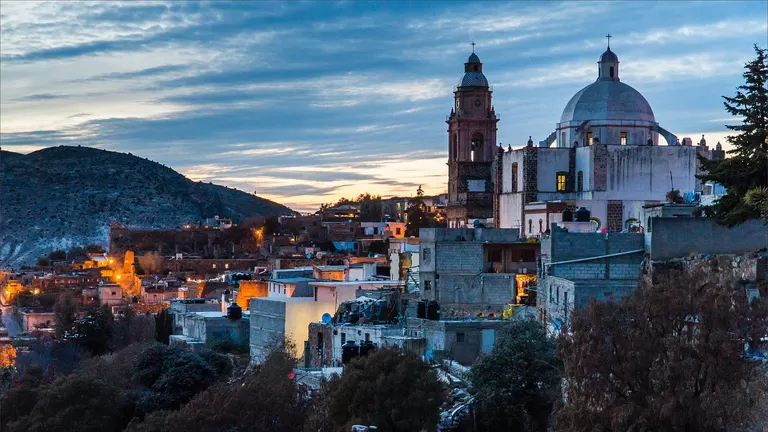
Mexico sits somewhere in the middle when you compare it globally. It's more expensive than Southeast Asian countries like Thailand or Vietnam, but cheaper than most of Europe or Japan. For Americans and Canadians, the exchange rate usually works in your favor, making your dollars stretch further. The biggest factor isn't the country itself, but where within Mexico you go. Tourist hotspots like Cancún, Los Cabos, and Mexico City's fancier neighborhoods command premium prices. Smaller towns, colonial cities like Guanajuato or Oaxaca, and the Yucatán's inland areas offer much better value.
Your travel style matters more than anything. Someone camping on the beach in Baja California, cooking their own food, and hitchhiking spends a fraction of what a resort guest pays. Most travelers fall somewhere in between, mixing affordable hostels with occasional nice hotels, eating at local fondas most days but splurging on a nice restaurant once in a while.
What makes Mexico costly for travelers?
Four main expenses eat up most travel budgets in Mexico: accommodation, transportation, food and drink, and activities. How you handle each one determines your total spend.
Accommodation ranges wildly. A dorm bed in a decent hostel runs 250-400 pesos ($15-25) nightly. Private rooms in hostels or basic hotels cost 600-1000 pesos ($35-60). Mid-range hotels with reliable hot water and WiFi start around 1200-2000 pesos ($70-120). Luxury hotels and boutique properties begin at 3000 pesos ($175) and go up from there. Beach resort areas like Cancún's Hotel Zone or Los Cabos add a 30-50% premium.
Transportation costs add up quickly if you're moving around. Domestic flights between major cities like Mexico City to Cancún or Guadalajara to Oaxaca run 1500-3000 pesos ($90-175) one way if booked in advance. Buses offer better value: first-class ADO or ETN buses with comfortable seats and movies cost 400-800 pesos ($25-50) for a 4-6 hour journey. Second-class buses are half that price but slower and less comfortable. Car rentals seem cheap at 300-500 pesos ($18-30) daily, but mandatory insurance doubles the cost, and gas is pricey at around 22 pesos per liter ($1.30).
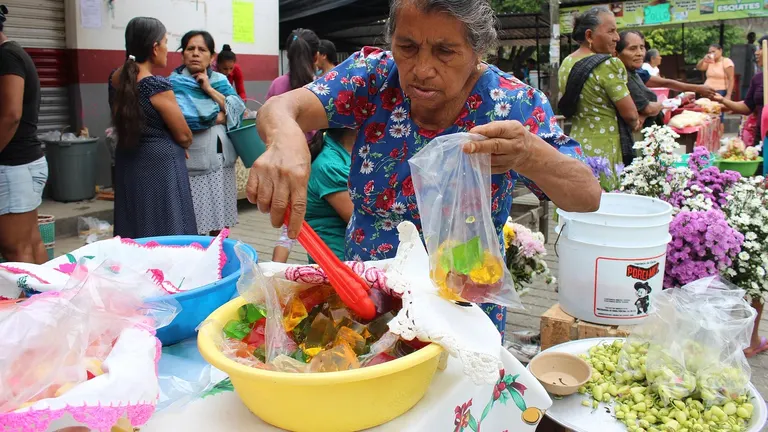
Food can be your biggest savings or biggest splurge. Street tacos cost 15-25 pesos ($1-1.50) each. A filling comida corrida (set lunch) at a local fonda runs 70-120 pesos ($4-7) for soup, main course, rice, beans, and drink. Casual sit-down restaurants charge 150-250 pesos ($9-15) for a main dish. Fine dining in Mexico City or resort towns easily hits 800-1500 pesos ($45-85) per person without drinks. Drinks add up too: local beer is 25-40 pesos ($1.50-2.50), cocktails at beach bars 100-200 pesos ($6-12).
Activities and entrance fees vary. Archaeological sites like Teotihuacán or Chichén Itzá cost 80-100 pesos ($5-6) for foreigners. Museums range from free to 70 pesos ($4). Guided day tours to pyramids, cenotes, or colonial towns typically run 800-1500 pesos ($45-85) per person. Snorkeling trips, whale watching, and adventure activities cost 600-1200 pesos ($35-70).
How does Mexico compare to other travel destinations?
Let's put Mexico's costs in context with other popular destinations travelers consider. This comparison uses typical mid-range travel budgets for a single person.
| Destination | Daily Budget Range (Mid-Range) | Notes |
|---|---|---|
| Mexico | $70-150 | Varies greatly by region and style |
| Thailand | $40-80 | Generally cheaper except for islands |
| Japan | $100-200 | Higher accommodation and transport costs |
| Spain | $80-160 | Similar to Mexico's tourist areas |
| Costa Rica | $80-170 | Often more expensive than Mexico |
| Philippines | $35-75 | Cheaper overall except for island hopping |
Mexico falls between Southeast Asia's affordability and Western Europe's prices. It's noticeably cheaper than Japan for similar quality accommodation and food, as you can see in our Japan travel budget breakdown. Compared to the Philippines, Mexico costs more for equivalent comfort, but offers better infrastructure in return. Costa Rica, another popular Latin American destination, often surprises travelers with higher prices than Mexico for similar experiences.
The main advantage Mexico has over many destinations is variety. You can have a luxury resort experience in Los Cabos for less than half what you'd pay in Hawaii, then switch to budget colonial town exploration in Guanajuato the next week. This flexibility lets you control your spending throughout your trip.
What's the real cost of traveling in Mexico?
Let's break down what different travel styles actually cost per day. These are 2026 estimates based on typical prices for each category.
Budget backpacker ($30-50 daily)
- Accommodation: Hostel dorm bed (250-400 pesos/$15-25)
- Food: Street food, mercado meals, some self-catering (200-300 pesos/$12-18)
- Transport: Second-class buses, colectivos, walking (50-150 pesos/$3-9)
- Activities: Free walking, beaches, cheap museums (50-100 pesos/$3-6)
- Total: 550-950 pesos ($32-55)
This budget works for solo travelers or couples comfortable with basic accommodation. You'll stay in hostels or budget guesthouses, eat mostly at markets and street stalls, use public transportation, and focus on free or low-cost activities. It's tight but doable, especially in cheaper regions.
Mid-range traveler ($70-120 daily)
- Accommodation: Private room in hostel or budget hotel (600-1000 pesos/$35-60)
- Food: Mix of local restaurants and occasional nicer meals (300-500 pesos/$18-30)
- Transport: First-class buses, occasional taxis, maybe rental car days (150-300 pesos/$9-18)
- Activities: Some guided tours, entrance fees (200-400 pesos/$12-24)
- Total: 1250-2200 pesos ($73-130)
This is where most travelers land. You get privacy and comfort without luxury, eat well without fine dining every night, take comfortable transportation, and do paid activities regularly. It's sustainable for longer trips and offers a good balance of experience and comfort.
Comfort/luxury traveler ($150-300+ daily)
- Accommodation: Nice hotels or boutique properties (1200-3000+ pesos/$70-175+)
- Food: Restaurants for most meals, occasional fine dining (600-1000+ pesos/$35-60+)
- Transport: Domestic flights, private transfers, nice rental cars (400-800+ pesos/$24-47+)
- Activities: Guided tours, adventure activities, spa treatments (400-800+ pesos/$24-47+)
- Total: 2600-5600+ pesos ($150-325+)
At this level, you're not counting pesos. You stay in comfortable places, eat where you want, travel conveniently, and do what interests you. Resort areas naturally push toward the higher end of this range.

Regional travel cost variations
Mexico isn't one price. Where you go dramatically affects what you'll spend.
Most expensive regions:
- Los Cabos and Baja California Sur: Resort pricing, imported goods cost more
- Cancún and Riviera Maya: Tourist corridor with premium prices
- Mexico City's Polanco, Roma, Condesa: Upscale neighborhoods command big-city prices
- Puerto Vallarta's Marina and Hotel Zone: Resort and expat areas
Moderate cost regions:
- Oaxaca City and surrounding villages: Good value outside peak festivals
- Guadalajara and Lake Chapala: Reasonable for a major city
- Merida and most of Yucatán: Colonial charm at fair prices
- Guanajuato and San Miguel de Allende: Tourist but not exclusively luxury
Most affordable regions:
- Chiapas (San Cristóbal de las Casas): Lower costs, fewer tourists
- Morelia and central Michoacán: Authentic, less discovered
- Northern border towns (for basic travel): Functional, not resort-style
- Smaller Pacific coast towns outside resort zones
The difference between Cancún and San Cristóbal is like visiting two different countries budget-wise. A hotel room that costs $200 in Cancún might be $40 in Chiapas. Food, transportation, and activities follow similar patterns.
How can I travel Mexico on a budget?
Smart strategies can cut your costs without sacrificing experience. Here's what actually works.
Save on accommodation
- Stay in colonial cities rather than beach resorts
- Book hostels with kitchen facilities to cook some meals
- Consider guesthouses (casas de huéspedes) in smaller towns
- Use booking sites that show total price with taxes included
- Travel shoulder season (May-June, September-October) for better rates
Eat like a local
- Look for comida corrida signs for set lunches
- Eat at markets during the day for cheapest options
- Buy fruit, snacks, and basics at supermarkets instead of convenience stores
- Drink local beers (Victoria, Pacifico) instead of imports
- Avoid restaurants right on main squares—walk a block or two
Travel smart
- Take overnight buses to save on a night's accommodation
- Use colectivos (shared vans) for short trips between towns
- Book domestic flights at least 3-4 weeks in advance
- If renting a car, get the insurance quote in writing before booking
- Consider traveling with one other person to split costs
Experience without overspending
- Many museums have free days (usually Sundays)
- Archaeological sites are cheap compared to similar experiences elsewhere
- Beaches are free—bring your own snacks and water
- Walkable colonial cities don't require constant transportation
- Local festivals often have free events and performances
A tool like Tripence helps track these variable expenses, especially when you're mixing cheap days with occasional splurges. Seeing your daily average helps you adjust as you go.
Are there ways to reduce travel expenses in Mexico?
Beyond the basic budget tips, these strategies make a real difference in your total spend.
Time your trip right. December through April is peak season, with prices 30-50% higher. May-June and September-October offer good weather with lower crowds and prices. July-August sees Mexican family travel, raising some domestic prices.
Choose your base carefully. Instead of staying in expensive Playa del Carmen, stay in Valladolid and day trip to the coast and cenotes. Rather than paying Cancún hotel prices, stay in nearby Puerto Morelos or Isla Mujeres.
Learn basic Spanish. Even a few phrases help you navigate local markets, buses, and non-tourist restaurants where prices are lower. Staff at English-focused establishments know they can charge more.
Embrace slow travel. Staying a week in one place gets you weekly rental discounts, lets you find the best local prices, and reduces transportation costs. You also qualify for "local" rather than "tourist" prices at some establishments.
Share costs. Traveling with even one other person cuts accommodation costs significantly. A private room often costs less than two dorm beds, and you can split taxis, car rentals, and sometimes even guided tours.
Pay in pesos. Despite what some businesses tell you, you almost always get a better rate paying in local currency with a credit card that doesn't charge foreign transaction fees. Dynamic currency conversion (paying in USD) usually includes a poor exchange rate and sometimes fees.
Bottom line
Mexico offers a sliding scale of travel costs that matches most budgets. Backpackers can manage on $30-50 daily, mid-range travelers will spend $70-120, and luxury seekers can easily exceed $200. The country's diversity means you can mix budget and splurge days—spending little in colonial towns, then more at beach destinations.
Your biggest expenses will be accommodation in tourist zones, intercity transportation if moving frequently, and guided activities. The best savings come from traveling shoulder season, eating at local fondas, using buses instead of flights, and choosing less-touristed regions.
Compared to other popular destinations, Mexico sits in the middle—more affordable than Japan or Europe, but pricier than Southeast Asia. For North Americans, it remains excellent value, especially outside resort bubbles. With planning and smart choices, you can experience Mexico's incredible culture, food, and landscapes at almost any budget level.
For detailed daily budget planning, see our Mexico travel budget per day guide with exact breakdowns.
Frequently asked questions
Is Mexico expensive to travel to?
Mexico can be as expensive or affordable as you make it. Budget travelers can manage on $30-50 daily with hostels and street food, while mid-range travelers spend $70-120 for comfortable hotels and restaurants. Luxury travel easily exceeds $200 daily. Compared globally, Mexico sits between Southeast Asia's affordability and Western Europe's prices.
What are the main travel costs in Mexico?
The four biggest expenses are accommodation (hostels $15-25, hotels $70-120+), transportation (buses $25-50 for long trips, flights $90-175), food (street meals $4-7, restaurants $9-15+), and activities (archaeological sites $5-6, tours $45-85). Beach resorts add significant premiums to all categories.
How does Mexico compare to other travel destinations?
Mexico is more expensive than Thailand or the Philippines but cheaper than Japan or most of Europe. It's similar to Spain's tourist areas and often more affordable than Costa Rica. For Americans and Canadians, the exchange rate typically makes Mexico better value than domestic travel options.
Is traveling to Mexico affordable?
Yes, Mexico remains affordable for most travelers, especially outside peak resort areas. With planning, you can enjoy excellent food, comfortable accommodation, and rich cultural experiences on a moderate budget. The key is avoiding tourist traps and embracing local transportation and dining options.
What makes Mexico costly for travelers?
Resort area pricing, frequent domestic flights, guided tours, and imported goods drive up costs. Cancún, Los Cabos, and Mexico City's upscale neighborhoods command premium prices. Travelers who move between cities frequently, eat at tourist restaurants, and stay in beachfront hotels will spend significantly more.