Is Vietnam Expensive to Visit? A Realistic Cost Breakdown for Every Budget
Vietnam offers incredible value, with budget travelers spending $25-40 daily and luxury experiences still costing far less than Western destinations.
Vietnam is one of Southeast Asia's most affordable destinations, but costs vary dramatically depending on your travel style. For budget travelers, you can realistically expect to spend $25-40 per day, while mid-range travelers might budget $60-100 daily, and luxury trips can easily exceed $150-200 per day. The question of whether Vietnam is expensive to visit really depends on what you compare it to and how you choose to travel.
Is Vietnam expensive for tourists?
For most international visitors, Vietnam represents outstanding value. Your money goes much further here than in Thailand, Cambodia, or Laos for many essentials. A local meal costs $1-3, a hostel bed runs $5-10, and local transport like buses and trains remains incredibly cheap. Even in tourist hotspots like Hanoi's Old Quarter or Hoi An's Ancient Town, you'll find prices significantly lower than comparable destinations in Thailand.
The biggest factors affecting your Vietnam expenses are accommodation style, dining choices, and transportation methods. If you stick to local eateries, use public transport, and stay in guesthouses rather than international hotel chains, you'll spend very little. But if you want Western comforts, imported foods, and private tours, costs can add up quickly.

How Vietnam compares to neighboring countries
When planning a Southeast Asia trip, many travelers wonder whether Vietnam, Thailand, or Cambodia offers better value. Here's a quick comparison based on typical 2026 travel costs:
| Expense Category | Vietnam | Thailand | Cambodia | Laos |
|---|---|---|---|---|
| Budget hostel bed | $5-10 | $8-15 | $6-12 | $5-10 |
| Local meal (pho/bánh mì) | $1-3 | $2-4 | $2-4 | $2-4 |
| Beer at local bar | $0.75-1.50 | $1.50-3 | $1-2 | $1-2 |
| Short taxi ride (3km) | $2-4 | $3-6 | $3-5 | $3-5 |
| Museum entrance | $1-3 | $3-8 | $3-5 | $2-4 |
| Overnight train (Hanoi to Da Nang) | $25-45 | $30-60 (Bangkok to Chiang Mai) | N/A | N/A |
Vietnam generally edges out Thailand for affordability, especially for food and local transport. Cambodia and Laos are slightly cheaper for accommodation but offer fewer transportation options, meaning you might spend more on private transfers. Thailand has become noticeably more expensive in tourist areas like Bangkok, Chiang Mai, and the islands, while Vietnam maintains lower prices even in popular spots.
For more regional comparisons, check out our breakdowns for the Philippines and Sri Lanka.
What makes Vietnam expensive or cheap
The affordable essentials
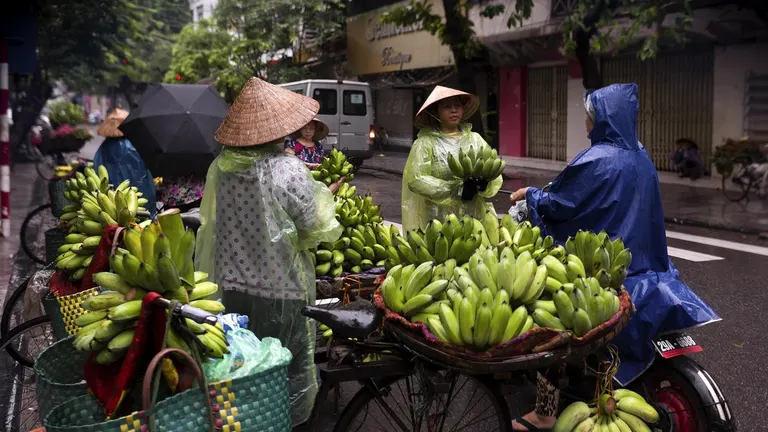
Local food is where Vietnam truly shines. A bowl of pho on the street costs about $1.50, a bánh mì sandwich runs $1, and fresh spring rolls might be $2 for a serving. Even in sit-down restaurants catering to tourists, you'll rarely pay more than $5-7 for a meal with drinks. Coffee culture is another bargain - a Vietnamese iced coffee (cà phê sữa đá) costs about $1 at local cafes.
Transportation within cities is remarkably cheap. Grab (Southeast Asia's Uber) rides cost $1-3 for short trips in major cities. Local buses in Hanoi and Ho Chi Minh City charge about $0.30 per ride. For longer distances, Vietnam's extensive bus network offers trips for $5-15 between cities, while trains provide comfortable overnight options at reasonable prices.
Accommodation ranges from basic guesthouses at $10-15 per night to comfortable mid-range hotels at $25-40. Even in popular destinations like Hoi An and Nha Trang, you can find clean, air-conditioned rooms with private bathrooms for under $30.
Where costs can add up
International flights are usually your biggest expense. From North America or Europe, round-trip flights to Hanoi or Ho Chi Minh City typically cost $800-1,500 depending on season and flexibility. Internal flights within Vietnam have become more affordable with budget carriers like VietJet and Bamboo Airways, but last-minute bookings can still run $50-100 per segment.
Alcohol at Western-style bars and restaurants carries a significant markup. While local beer (bia hơi) costs $0.50-1 per glass at street stalls, the same imported beer at a tourist bar might be $3-5. Wine is particularly expensive due to high import taxes - expect to pay $6-10 per glass at restaurants.
Tourist activities and entrance fees have increased in recent years. Halong Bay cruises start around $100 per person for basic overnight trips but can exceed $300 for luxury options. Theme parks like Vinpearl in Nha Trang cost $30-40 for admission. Some historical sites, like the Cu Chi Tunnels or War Remnants Museum, charge $5-10 entrance fees.

Can you travel Vietnam on a tight budget?
Absolutely. With careful planning, Vietnam is one of the most budget-friendly destinations in Asia. Here's how to make it work:
Accommodation: Stick to hostels ($5-10) or basic guesthouses ($10-15). Many offer free breakfast, which saves on your first meal. Consider homestays in rural areas, which often include meals and cultural experiences for $15-25 per night.
Food: Eat where locals eat. Street food stalls and local markets offer complete meals for $1-3. Avoid restaurants in tourist districts with English menus displayed outside - walk a few blocks away for better prices.
Transport: Use overnight buses and trains to save on accommodation. Vietnam's bus network is extensive and cheap - a 6-hour journey might cost $8-12. For shorter trips, use Grab bikes instead of taxis.
Activities: Focus on free and low-cost experiences. Walking through Old Quarter neighborhoods, visiting local markets, and hiking in national parks like Cat Ba or Phong Nha cost little. Many temples and pagas have minimal or voluntary donations.
Timing: Travel during shoulder seasons (March-May or September-November) when prices drop 20-30% compared to peak season (December-February).
A realistic tight budget for Vietnam looks like this per day:
- Accommodation: $8-12
- Food: $6-10
- Local transport: $3-5
- Activities: $3-7
- Miscellaneous: $2-4 Total: $22-38 per day
Track every expense in local currency with an app like Tripence to stay on target. It converts dong to your home currency automatically, so you always know exactly where you stand.
Seasonal and regional price variations
When prices peak
Vietnam's peak tourist season runs from December through February, when the weather is cooler and drier in the north. During this period, accommodation prices in popular destinations like Hanoi, Halong Bay, Hoi An, and Ho Chi Minh City can increase by 30-50%. Christmas and Lunar New Year (Tet) see the highest spikes, with some hotels doubling their rates.
The summer months (June-August) bring higher prices to beach destinations like Nha Trang, Da Nang, and Phu Quoc as domestic tourists flock to the coast. While international tourist numbers are lower, hotel rates at beach resorts remain elevated.
Where you'll pay more
Ho Chi Minh City and Hanoi are Vietnam's most expensive cities. Accommodation costs 20-40% more than in smaller cities, and dining at international restaurants carries premium prices. However, street food and local transport remain affordable even here.
Tourist hotspots command higher prices:
- Hoi An: Entrance to the Ancient Town costs about $6, and tailoring services vary widely in price. Restaurants in the old quarter charge tourist prices.
- Halong Bay: Cruises range from budget to luxury, but even basic options start around $100 per person.
- Da Lat: While accommodation is reasonable, adventure activities like canyoning and mountain biking add up.
- Phu Quoc: This island has developed rapidly, with many high-end resorts charging $100-300 per night.
Where your money goes further
Northern mountain towns like Sapa and Ha Giang offer excellent value, with homestays costing $10-20 including meals. The Central Highlands region around Kon Tum and Pleiku sees fewer tourists, keeping prices low. Coastal cities like Quy Nhon and Phan Thiet offer beach access without the premium prices of more famous destinations.
Smaller cities uniformly provide better value. Hue, with its imperial history, has reasonable prices for food and accommodation. Ninh Binh, often called "Halong Bay on land," offers stunning landscapes at lower costs than the actual bay.
Hidden costs to watch out for
Visa fees: Many nationalities need a visa for Vietnam. The e-visa costs $25 for single entry, valid 30 days. If you need multiple entries or longer stays, prices increase to $50-135. Always check current requirements before booking flights.
ATM fees: Vietnamese ATMs charge withdrawal fees, typically $2-5 per transaction, plus foreign transaction fees from your home bank. Withdraw larger amounts less frequently to minimize fees, but be cautious carrying cash.
Commission on currency exchange: Exchange bureaus at airports and tourist areas offer poor rates. Banks generally provide better exchange rates for US dollars. Never exchange money on the street.
Unexpected transportation costs: Taxi scams still occur, especially at airports. Use Grab or arrange transfers through reputable companies. Motorbike rentals sometimes come with hidden damage claims - take photos before renting.
Service charges and tips: Some restaurants add 5-10% service charge automatically. Tipping isn't expected but appreciated for exceptional service. Tour guides and drivers do expect tips, usually 5-10% of the tour cost.
Water and health costs: Only drink bottled or filtered water. While cheap ($0.30-0.50 per liter), it adds up. Travel insurance is essential - medical care for foreigners can be expensive at international hospitals.
Budget, mid-range, and luxury cost examples
Budget traveler: $25-40 per day
- Accommodation: Hostel dorm bed or basic guesthouse ($8-12)
- Food: Street food and local market meals ($8-12)
- Transport: Local buses, trains, occasional Grab ($5-8)
- Activities: Free walking tours, temple visits, low-cost attractions ($4-8)
- Example daily total: $25-40
This budget allows for comfortable travel while eating well and seeing major sights. You'll stay in clean accommodation with fans (not always air conditioning) and use public transport extensively.
Mid-range traveler: $60-100 per day
- Accommodation: Comfortable hotel or private hostel room ($25-40)
- Food: Mix of street food and sit-down restaurants ($15-25)
- Transport: Some private transfers, domestic flights, more taxis ($15-25)
- Activities: Guided tours, entrance fees, some splurges ($10-20)
- Example daily total: $65-110
At this level, you enjoy air-conditioned rooms with private bathrooms, eat at recommended restaurants, take occasional domestic flights to save time, and join organized day trips.
Luxury traveler: $150-300+ per day
- Accommodation: Boutique hotels or 5-star resorts ($80-200)
- Food: Fine dining, international cuisine, premium experiences ($40-80)
- Transport: Private car with driver, business class trains/flights ($40-100)
- Activities: Private guides, luxury cruises, exclusive access ($30-80)
- Example daily total: $190-460
Luxury travel in Vietnam means staying at properties like the InterContinental in Da Nang, taking private guided tours of historical sites, dining at top restaurants, and enjoying spa treatments. While expensive by Vietnamese standards, these costs remain lower than comparable luxury experiences in Thailand or Western countries.
Is Vietnam getting more expensive?
Yes, gradually. Over the past decade, Vietnam's rapid economic growth and increasing tourism have pushed prices up, particularly in major cities and popular destinations. However, the rate of increase has been slower than in Thailand or Cambodia.
Several factors contribute to rising costs:
- Tourism growth: International arrivals have increased steadily, creating more demand for accommodation and services.
- Infrastructure development: New airports, highways, and luxury resorts come with higher price tags.
- Middle-class expansion: Vietnam's growing domestic tourism market supports higher-priced options.
- International chains: Global hotel brands and restaurant chains charge premium prices.
Despite these trends, Vietnam remains significantly more affordable than most tourist destinations worldwide. The local economy still offers incredible value for street food, public transport, and basic services. Savvy travelers who avoid tourist traps and embrace local experiences will continue to find Vietnam affordable for years to come.
For perspective on how other destinations are changing, see our analysis of Japan's costs and Mexico's pricing trends.
Money-saving tips and tricks
- Travel during shoulder season (March-May or September-November) for better prices and fewer crowds.
- Book domestic flights early with budget carriers like VietJet - prices can double as departure approaches.
- Eat breakfast and lunch on the street, saving your restaurant budget for special dinners.
- Use overnight trains and buses to save on a night's accommodation while covering distance.
- Negotiate for everything except food - accommodation, tours, and souvenirs often have flexible pricing.
- Learn basic Vietnamese phrases - locals appreciate the effort and may offer better prices.
- Stay slightly outside tourist centers - walking 10-15 minutes from main attractions can cut accommodation costs by 30-50%.
- Share costs with other travelers for private tours, taxis, and even some meals.
- Drink local beer (bia hơi) instead of imported brands - it's fresher and costs a fraction of the price.
- Use ATMs at major banks like Vietcombank or Techcombank for better exchange rates and lower fees.
Bottom line
Vietnam offers exceptional value whether you're traveling on $25 per day or splurging on luxury experiences. While costs have risen gradually with tourism growth, they remain significantly lower than in Thailand and most other Southeast Asian destinations. Your biggest expenses will be international flights and any luxury accommodations or tours you choose.
The secret to affordable Vietnam travel is embracing local experiences - eat at street stalls, use public transport, stay in family-run guesthouses, and explore beyond the main tourist trail. With some planning and flexibility, Vietnam delivers incredible experiences at prices that keep budget travelers smiling all the way to the bank.
Track your spending as you go with a simple app to ensure you're getting the most from your budget. Focus your money on what matters most to you, whether that's food experiences, adventure activities, or comfortable accommodation, and Vietnam will reward you with memories that far outweigh the costs.
Frequently asked questions
Is Vietnam expensive for tourists?
No, Vietnam is generally very affordable for tourists. Budget travelers can manage on $25-40 per day, covering hostel accommodation, local food, public transport and basic activities. Even mid-range travelers spending $60-100 daily get excellent value compared to Western countries or nearby Thailand.
How does Vietnam compare to Thailand for costs?
Vietnam is typically 20-40% cheaper than Thailand for comparable experiences. Local food, public transport and budget accommodation cost less in Vietnam. Thailand has become more expensive in tourist areas, though both countries offer good value compared to Western destinations.
What makes Vietnam expensive or cheap?
Vietnam is cheap because local food costs $1-3 per meal, public transport is inexpensive, and budget accommodation starts at $5-10. It can become expensive if you choose international hotel chains, dine at tourist restaurants, take private tours, or visit during peak season when prices spike.
Can I travel Vietnam on a tight budget?
Yes, Vietnam is ideal for tight budgets. Stick to street food ($1-3 per meal), hostel dorms ($5-10), overnight buses ($8-15), and free activities like walking tours. With careful planning, $25-35 per day is realistic, making Vietnam one of Asia's most budget-friendly destinations.
What are the most expensive things in Vietnam?
International flights, luxury Halong Bay cruises ($200-400), 5-star hotels ($100-300/night), imported alcohol, and private guided tours. Domestic flights can also be pricey if booked last minute. Western-style dining carries significant markups compared to local food.