Is Mexico Expensive for Tourists? A Real Cost Breakdown for Visitors
Mexico offers tourist experiences from budget-friendly to luxurious, with smart planning making it accessible for most visitors. Here's what you'll actually spend.

No, Mexico isn't generally expensive for tourists, but your experience depends entirely on what kind of tourist you are. For 2026-2027 travel seasons, a mid-range tourist can expect to spend about $60-$120 per person per day, while budget travelers can manage on $35-$60. Luxury visitors might spend $200+ daily. The truth about Mexico's tourist prices is that they span a massive range—you can pay nearly US prices in Cancún's hotel zone or live like a local in Oaxaca for a fraction of that cost. Your choices, not the country itself, determine whether your Mexico trip feels expensive.
What tourist services cost the most in Mexico
Tourist accommodation tops the expense list, especially in resort areas. A night at a mid-range hotel in Cancún's hotel zone runs $100-$180 in peak season (December to April), while similar properties in Playa del Carmen or Los Cabos command $120-$200. All-inclusive resorts add another 40-60% to those rates. Entry fees at major archaeological sites like Chichén Itzá or Teotihuacán have increased to around $25-$30 per person. Guided tours—whether snorkeling in Cozumel, whale watching in Baja, or walking tours in Mexico City—typically cost $50-$120 per person.
Transportation between tourist destinations adds up quickly. Domestic flights from Mexico City to Cancún or Los Cabos range from $80-$150 one-way during peak seasons. Tourist shuttle services between airports and hotels often cost $25-$50 per person each way, double what local colectivos or ADO buses charge. Car rentals, while convenient for exploring the Yucatán or Baja, run $40-$70 per day with insurance included.
Tourist accommodation price analysis
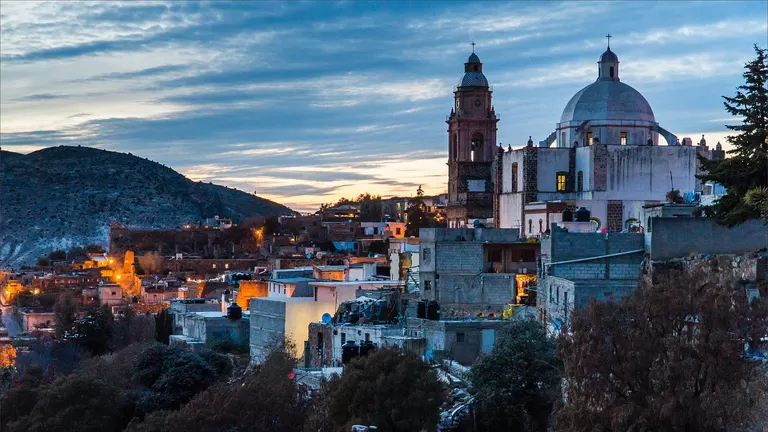
Mexico's accommodation prices follow clear tourist patterns. Beach resort areas command premium rates, particularly from December through April. Inland colonial cities offer better value, and smaller towns along tourist routes provide the most budget-friendly options.
Here's what you'll find across different tourist categories:
| Accommodation Type | Tourist Area Example | 2026 Peak Season Range |
|---|---|---|
| Budget hostel dorm | Mexico City Centro | $12-$20 per night |
| Mid-range hotel | Cancún Hotel Zone | $100-$180 per night |
| Boutique hotel | San Miguel de Allende | $120-$220 per night |
| All-inclusive resort | Riviera Maya | $250-$450 per night |
| Vacation rental | Tulum beach area | $150-$300 per night |
| Colonial B&B | Oaxaca City center | $60-$120 per night |
The "tourist tax" applies most heavily in Cancún, Los Cabos, and Tulum's beachfront zone. You'll pay 30-50% more for similar quality in these areas compared to Mérida, Guadalajara, or Puebla. For detailed daily budget breakdowns, see our Mexico Travel Budget Per Day article.
Restaurant and dining costs for visitors
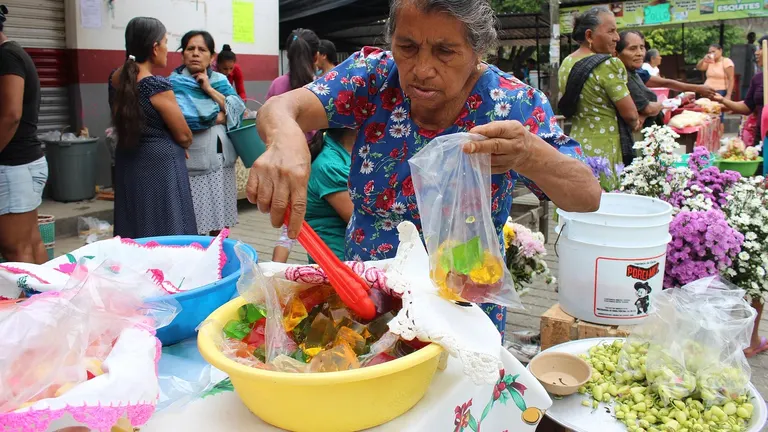
Tourist restaurants versus local eateries show Mexico's pricing dichotomy. In tourist zones like Playa del Carmen's 5th Avenue or Puerto Vallarta's Malecón, a dinner for two with drinks can easily reach $60-$100. At a traditional fonda or mercado food stall a few blocks away, you'll feed two people for $8-$15.
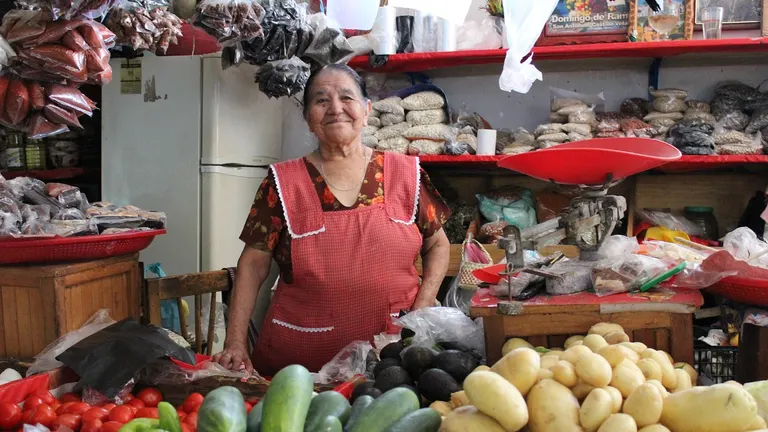
Breakfast illustrates the divide perfectly. At a hotel restaurant in a resort area, expect to pay $12-$20 for eggs, toast, and coffee. At a local café in Mexico City's Roma neighborhood or Guadalajara's Centro, the same meal costs $5-$8. Lunch follows similar patterns—tourist restaurants charge $15-$25 for a meal with a drink, while local comedores offer hearty three-course meals (sopa, main dish, agua fresca) for $6-$10.
Drink prices vary dramatically too. A margarita in a Cancún beach club runs $10-$15. The same drink at a neighborhood cantina in Mérida or Mexico City costs $4-$6. Imported beers in tourist bars charge $4-$7, while local brands in non-tourist spots go for $2-$3.
Transportation expenses for tourists
How you move around significantly impacts your Mexico budget. Tourist transportation often carries premium pricing, while local options offer substantial savings.
Domestic flights between tourist hubs cost more during peak seasons. Mexico City to Cancún flights jump from $60-$80 in shoulder season to $100-$150 in December and January. Regional carriers like Volaris and Viva Aerobus offer cheaper fares if you book 3-4 weeks ahead and travel with carry-on only.
Ground transportation reveals the biggest tourist markups. Airport taxis in Cancún charge $40-$60 to the hotel zone, while the ADO bus to downtown costs $4. Tourist shuttles from Puerto Vallarta airport to Nuevo Vallarta resorts run $25-$40 per person, but local buses make the same trip for under $2. Car rentals require careful calculation—the base rate might be $25 per day, but mandatory insurance adds another $20-$30 daily.
Within cities, Uber and Didi offer reasonable rates (Mexico City rides average $3-$8), but tourist areas like Cabo San Lucas see surge pricing. Local buses remain the budget champion at $0.50-$1 per ride in most Mexican cities.
Tourist attraction and activity pricing
Mexico's attractions range from nearly free to quite expensive, with tourist-facing activities carrying higher price tags.
Major archaeological sites have increased entry fees. Chichén Itzá now charges around $30, Teotihuacán about $25, and Monte Albán $10. Many sites offer discounted tickets for Mexican residents, creating a two-tier pricing system. Guided tours at these sites add $20-$40 per person.
Water activities in coastal areas show significant tourist premiums:
- Snorkeling tours in Cozumel: $45-$75 per person
- Whale watching in Baja California: $80-$120 per person
- Swimming with whale sharks in Holbox: $100-$150 per person
- Cenote tours in the Yucatán: $40-$70 per person
Cultural experiences offer better value. A traditional temazcal ceremony in Oaxaca costs $25-$40. Cooking classes in Puebla or Mérida run $35-$60 including market visit and meal. Lucha libre wrestling in Mexico City Arena México tickets start at $10.
Museum admissions remain reasonable by international standards. The National Museum of Anthropology in Mexico City charges about $5, Frida Kahlo Museum $12-$15 (book weeks ahead), and the Templo Mayor Museum $4.
How tourist prices compare to other destinations
Mexico sits in the mid-range of global tourist destinations—more expensive than Southeast Asia but cheaper than Western Europe or Japan. Compared to similar sun-and-beach destinations, Mexico offers better value than the Caribbean but can approach Florida or California prices in premium resort areas.
When compared to the Philippines (see our Is the Philippines Expensive? analysis), Mexico's tourist infrastructure is more developed but also more commercialized. You'll pay more for convenience in Mexico but have more predictable quality. Against Sri Lanka (detailed in Sri Lanka Travel Budget Per Day), Mexico's transportation and accommodation cost more, but food and activities offer comparable value.
Within North America, Mexico provides significant savings over US or Canadian destinations. A beach vacation in Cancún or Puerto Vallarta typically costs 40-60% less than similar accommodations in Hawaii or Southern California. European tourists find Mexico's luxury offerings—particularly spas, fine dining, and boutique hotels—offer better value than Mediterranean resorts.
How can tourists avoid overpaying in Mexico
Smart planning prevents tourist price inflation in Mexico. Your choices before and during the trip determine whether you pay local or tourist rates.
Accommodation strategies:
- Stay 2-3 blocks from main tourist strips—prices drop 30-50%
- Consider colonial cities over beach resorts for better value
- Book directly with smaller hotels for possible discounts
- Travel shoulder seasons (May-June, September-November) for lower rates
Dining approaches:
- Eat where locals eat—look for busy fondas away from tourist zones
- Visit mercados for authentic food at local prices
- Avoid restaurants with English-only menus
- Have your big meal at lunch (comida) when many restaurants offer fixed-price menus
Transportation tips:
- Use ADO buses instead of tourist shuttles for intercity travel
- Take local buses or colectivos for short distances
- Book domestic flights 3-4 weeks in advance
- Walk or use bike rentals within cities when possible
Activity savings:
- Visit archaeological sites independently instead of with tours
- Rent snorkel gear and visit public beaches instead of booking tours
- Enjoy free attractions like beaches, plazas, and markets
- Check museum free days (often Sundays for nationals, sometimes extended to all)
A travel budget app like Tripence helps track these expenses in real time, showing whether you're staying on budget or drifting into tourist premium territory. Since it works offline and handles currency conversion automatically, you can log expenses as you go without worrying about data or exchange rates.
Budget-friendly tourist alternatives in Mexico
Mexico offers excellent tourist experiences without premium pricing if you know where to look.
Alternative destinations:
- Instead of Tulum, try Bacalar or Mahahual on the Costa Maya
- Rather than Los Cabos, explore Loreto or Mulegé in Baja California Sur
- Skip San Miguel de Allende for Guanajuato City or Querétaro
- Choose Mérida over Cancún for Yucatán exploration
Affordable experiences:
- Beach time at Puerto Escondido or Mazunte instead of Puerto Vallarta
- Colonial architecture in Puebla and Tlaxcala rather than boutique hotels
- Local markets like Oaxaca's Mercado 20 de Noviembre for food immersion
- Free walking tours in Mexico City's centro histórico
Cultural exchanges:
- Language exchange meetups instead of expensive Spanish schools
- Volunteer with local conservation projects for meaningful engagement
- Homestays through reputable organizations for authentic local living
- Community tourism initiatives in indigenous areas
These alternatives often provide more authentic experiences at 30-60% lower cost than mainstream tourist options. For comparison with other Asian destinations, see our Philippines Travel Budget Per Day article.
Practical tourist budgeting advice
Create a realistic Mexico budget by category, not just a daily total. Here's a sample mid-range tourist budget for one week:
Accommodation (7 nights): $600-$850
Food & drink: $250-$350
Activities & attractions: $200-$300
Transportation (flights + local): $300-$450
Miscellaneous: $100-$150
Total per person: $1,450-$2,100
Budget travelers can reduce this to $800-$1,200 by staying in hostels, using public transportation, eating locally, and choosing free activities. Luxury tourists might spend $3,000+ for the same week with premium accommodations, fine dining, private tours, and spa treatments.
Budget management tips:
- Withdraw cash from ATMs in banks during business hours for better rates
- Use credit cards without foreign transaction fees for larger purchases
- Keep small bills for markets, tips, and local transportation
- Track expenses daily to avoid end-of-trip surprises
- Build in a 10-15% contingency fund for unexpected costs
For detailed trip budgeting, check our article on How Much Does Two Weeks in Japan Really Cost? which uses similar budgeting principles.
Bottom line
Mexico offers tourist experiences across the affordability spectrum. Your trip's cost depends more on your choices than on the country itself. With smart planning—avoiding tourist traps, traveling shoulder seasons, eating locally, and using public transportation—you can experience Mexico's rich culture, stunning landscapes, and warm hospitality without breaking the bank. The country rewards travelers who venture beyond the resort zones with both financial savings and more authentic experiences. Whether you're a backpacker on $35 per day or a luxury traveler spending $300+, Mexico has options that deliver value for your tourist dollar.
Frequently asked questions
Is Mexico expensive for tourist visitors?
Mexico isn't inherently expensive for tourists, but costs vary dramatically based on choices. Budget tourists can spend $35-$60 daily, mid-range visitors $60-$120, and luxury travelers $200+. Tourist zones like Cancún and Los Cabos command premium prices, while colonial cities and local experiences offer better value.
What tourist services cost the most in Mexico?
Accommodation in resort areas tops the list, with hotels in Cancún's hotel zone costing $100-$180 nightly in peak season. Guided tours and activities like snorkeling, whale watching, and archaeological site visits run $50-$120. Transportation between tourist destinations, especially domestic flights and tourist shuttles, adds significant expense.
How do tourist prices compare to other destinations?
Mexico sits mid-range globally—more expensive than Southeast Asia but cheaper than Western Europe or Japan. Compared to Caribbean destinations, Mexico offers better value, though premium resort areas approach US prices. European tourists find Mexico's luxury offerings provide better value than Mediterranean resorts.
Is Mexico budget-friendly for tourists?
Yes, Mexico can be very budget-friendly with smart planning. Staying in colonial cities instead of beach resorts, eating at local fondas and markets, using public transportation, and visiting free attractions like beaches and plazas can keep daily costs under $50. The key is avoiding tourist-targeted services.
How can tourists avoid overpaying in Mexico?
Stay blocks away from main tourist strips, eat where locals eat, use ADO buses instead of tourist shuttles, visit during shoulder seasons (May-June, September-November), and explore alternative destinations like Bacalar instead of Tulum or Mérida instead of Cancún. Tracking expenses helps maintain budget discipline.