Sri Lanka Travel Budget Per Day: Realistic Daily Costs for Every Traveler
A daily Sri Lanka travel budget ranges from $30 for backpackers to $150 for comfortable mid-range travel. Here's exactly what you'll spend on food, hotels, transport and activities.
You can travel comfortably in Sri Lanka on $50-80 per day, while backpackers can manage on $30-40 daily. A mid-range trip with nicer hotels and more activities might cost $100-150 per day. These estimates are based on typical 2026 prices for accommodation, food, transport and tourist activities, though actual costs vary by season, location and your travel style. Your Sri Lanka travel budget per day depends heavily on where you stay, how you get around, and which experiences you choose.
Budget traveler daily costs in Sri Lanka
A backpacker's daily budget in Sri Lanka starts at around $30. This covers a dorm bed in a hostel or basic guesthouse ($8-15), three simple meals from local eateries ($8-12), public transport like buses and trains ($3-6), and one or two low-cost activities like visiting a temple or beach day ($3-7). You won't have much room for extras, but you can see plenty on this budget.
Hostels in Colombo, Kandy and coastal towns like Mirissa and Unawatuna typically charge $8-12 for a dorm bed. Basic guesthouses with a private bathroom might cost $15-25 for a double room. These are often family-run places with simple furnishings and fans rather than air conditioning. During peak season from December to March, prices can be 20-30% higher, especially in popular beach areas.
Local transport keeps costs low. Second-class train tickets for scenic routes like Kandy to Ella cost about $3-5. Buses between cities rarely exceed $2-3 for a few hours' journey. Tuk-tuks for short trips within towns should cost $1-2 if you negotiate firmly. Walking or cycling in compact towns saves even more.
Mid-range daily travel expenses
For $80-120 per day, you get significantly more comfort and freedom. This budget includes a decent hotel or private guesthouse room with air conditioning ($30-50), meals at both local restaurants and some tourist-oriented places ($15-25), private transport like hired cars or taxis for some journeys ($15-25), and entrance fees for major attractions like Sigiriya or Yala National Park ($10-20).
Mid-range hotels in cities like Colombo and Galle offer more amenities like swimming pools, breakfast included, and better locations. Beach resorts in Bentota or Trincomalee might cost $40-60 per night during peak season. You'll have more dining options too, from fresh seafood restaurants to international cuisine alongside local rice and curry houses.
With this budget, you can hire a driver for day trips or longer routes. A car with driver typically costs $40-60 per day, which becomes reasonable if shared between two or four people. This gives you flexibility to visit multiple temples, tea plantations or beaches in one day without waiting for public transport.
Daily food and drink budget
Food costs in Sri Lanka vary dramatically depending on where and what you eat. Here's what to expect per person per day:
Local eateries ($8-12 daily): Rice and curry plates cost $2-3 at small local restaurants. Kottu roti (chopped roti with vegetables and meat) is $3-4. Fresh fruit from markets or street stalls adds $1-2. Simple breakfasts like string hoppers with dhal might be $1-2. Drinking water from large bottles saves money compared to small bottles.
Tourist restaurants ($15-25 daily): Western breakfasts at cafes cost $4-6. Lunch at beachfront restaurants runs $6-10 for seafood or pasta. Dinner with a drink at nicer places might be $8-12. Fresh juices and smoothies add $2-3 each. Alcohol increases costs significantly—local Lion beer is $2-3 in shops but $4-5 in restaurants, while imported drinks cost more.
Street food offers excellent value. Isso wade (lentil fritters with shrimp) cost about $0.30 each. Hoppers (bowl-shaped pancakes) with an egg are $0.50-1. Fresh king coconut water from roadside sellers is $0.50-1. These snacks can supplement meals or replace them entirely if you're budgeting tightly.
Daily transportation costs
Getting around Sri Lanka costs anywhere from $3 to $60 per day, depending on your choices. Public transport is remarkably affordable but takes more time and planning.
| Transport Type | Estimated Daily Cost | Best For |
|---|---|---|
| Buses & trains | $3-8 | Budget travelers, scenic routes |
| Tuk-tuk day hire | $15-25 | Short trips, city exploration |
| Car with driver | $40-60 (split) | Groups, convenience, flexibility |
| Domestic flights | $50-100+ | Saving time on long distances |
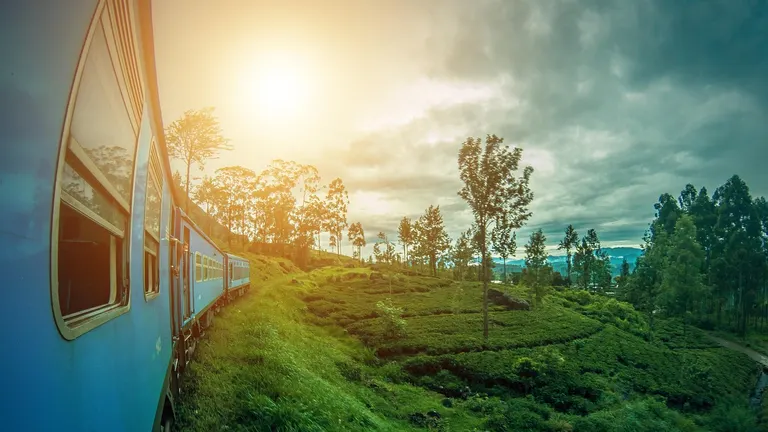
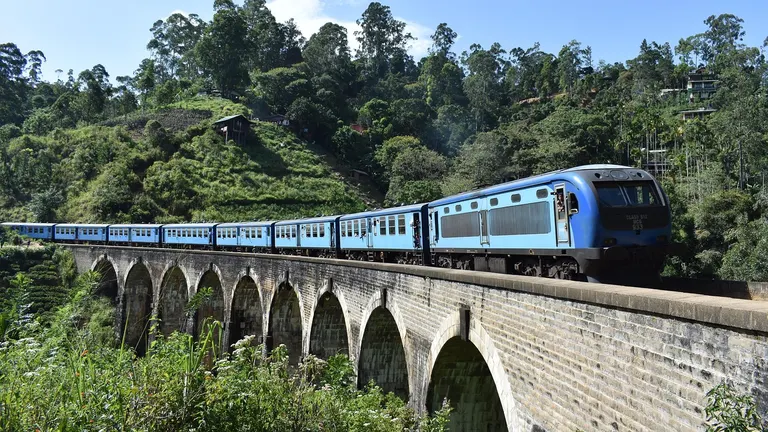
Trains offer some of Asia's most scenic journeys at low cost. The famous Kandy to Ella route through tea country costs about $4-5 in second class. First class with reserved seats and better views might be $10-12. Colombo to Galle along the coast is similarly affordable. Book a few days ahead during peak season.
Buses connect virtually every town. Express buses between major cities like Colombo to Kandy ($2-3) are faster than regular buses. Local buses stopping frequently cost even less but take longer. For $1-2 you can travel between nearby beach towns or from a city to nearby attractions.
Private transport gives flexibility. Tuk-tuks for day trips to places like Dambulla's cave temples or Galle Fort might cost $20-30 including waiting time. Cars with drivers are more comfortable for longer distances like Colombo to Yala ($60-80 for the day). Negotiate clearly before departure and confirm what's included.
Daily activity expenses
Tourist activities in Sri Lanka range from free temple visits to $30+ safari tours. Most days you'll spend $5-15 on attractions if you're selective.
Major cultural sites have entrance fees. Sigiriya Rock Fortress costs about $30, one of Sri Lanka's most expensive attractions. The Ancient Cities of Polonnaruwa and Anuradhapura charge $25 each. Dambulla Cave Temple is around $10. Many travelers choose one or two of these rather than all four to manage costs.
Wildlife experiences vary. Yala National Park jeep safaris cost $25-40 per person including park fees and vehicle hire. Udawalawe National Park is slightly less at $20-30. Whale watching from Mirissa or Trincomalee runs $25-35 with most operators. Bird sanctuaries and smaller parks might be $10-15.
Beaches and natural attractions often cost little or nothing. Unawatuna Beach, Mirissa Beach and Nilaveli Beach are free to access. Hiking in Ella's hill country or visiting tea plantations usually involves just transport costs. Temples typically request small donations rather than fixed fees, though major ones like Kandy's Temple of the Tooth charge $5-10.
Regional daily price variations
Coastal areas versus hill country show noticeable price differences. The south coast around Galle, Unawatuna and Mirissa tends to be more expensive, especially for accommodation and tourist restaurants. Beachfront hotels might cost 20-40% more than similar quality places inland.
The Cultural Triangle (Sigiriya, Dambulla, Polonnaruwa) has higher activity costs due to entrance fees, but accommodation can be reasonable outside peak season. Mid-range guesthouses here often offer good value compared to coastal resorts.
Hill country towns like Ella and Nuwara Eliya have developed tourist infrastructure with prices somewhere between coastal and cultural areas. Accommodation here varies from basic homestays to colonial-era hotels. Food costs remain moderate since these aren't primarily beach destinations.
Colombo stands apart as the commercial capital. Hotels here span budget to luxury, with mid-range options often better value than tourist areas. Dining ranges from ultra-cheap local eateries to expensive international restaurants. Transport within the city via tuk-tuk or ride-sharing apps costs more than in smaller towns.
Family daily budget in Sri Lanka
A family of four might spend $120-250 per day in Sri Lanka, depending on accommodation choices and activities. The main difference from solo or couple travel comes from room configurations and transport.
Family rooms or connecting rooms cost more than single doubles. Many hotels charge extra for children over certain ages, typically 6 or 12. Some offer free stays for younger children. Apartment-style accommodation with kitchenettes can save money on meals, especially breakfasts and snacks.
Transport costs multiply with family size. A car with driver becomes economical since the cost is per vehicle rather than per person. Some safari jeeps charge per vehicle too, making wildlife parks affordable for families. Trains and buses charge per seat, so costs increase linearly.
Activities like water parks, turtle hatcheries, and spice gardens often have child discounts. Cultural sites usually charge full price for children over certain heights or ages. Beaches and natural attractions remain free regardless of group size.
Daily money-saving tips
A few strategic choices can significantly reduce your daily Sri Lanka travel budget without sacrificing experience. Eat like locals do—rice and curry plates at small restaurants cost a third of tourist menu prices. Drink king coconut water ($0.50-1) instead of bottled soft drinks ($1-2). Carry a reusable water bottle and refill from large containers.
Travel during shoulder seasons. November and April often have similar weather to peak months but with lower prices. Accommodation might be 20-30% cheaper, and you'll encounter fewer crowds at major attractions. The east coast has different monsoon patterns, offering good beach weather when the southwest is rainy.
Use public transport for longer journeys. The train from Colombo to Galle costs about $2-3 versus $40+ for a taxi. Buses between cities are even cheaper. Save private transport for day trips where public options are limited or time is tight.
Choose accommodation slightly away from main tourist strips. A guesthouse five minutes walk from the beach often costs less than one right on it. In cities, staying in residential neighborhoods rather than business districts can offer better value.
Track your spending as you go with a tool like Tripence. It helps you stay within your daily budget by showing exactly where your money goes each day. Since expenses can be logged in Sri Lankan rupees and converted to your home currency automatically, you'll always know how much you're really spending.
Bottom line
Your Sri Lanka travel budget per day realistically ranges from $30 for bare-bones backpacking to $150 for comfortable mid-range travel with activities. Food and accommodation choices make the biggest difference—local eateries and guesthouses keep costs low, while tourist restaurants and beach resorts increase them quickly. Transportation offers great value if you use trains and buses for longer trips. Focus your activity budget on one or two major attractions rather than trying to see everything. With some planning and flexibility, you can experience Sri Lanka's incredible diversity without overspending.
Frequently asked questions
How much money per day in Sri Lanka?
A daily budget in Sri Lanka ranges from $30 for budget travelers to $80-120 for mid-range comfort, up to $150 for more activities and better hotels. These are 2026 estimates based on typical costs for accommodation, food, transport and tourist activities. Your actual daily spending depends on your travel style and choices.
What's a backpacker's daily budget?
A backpacker can manage on $30-40 per day in Sri Lanka. This covers a dorm bed ($8-15), simple meals from local eateries ($8-12), public transport ($3-6), and one low-cost activity ($3-7). It's tight but possible if you stay in hostels, eat local food, and use buses and trains.
How expensive are tourist activities daily?
Most days you'll spend $5-15 on activities if you're selective. Major sites like Sigiriya cost $30, while national park safaris run $25-40. Many temples request small donations rather than fixed fees, and beaches are free. Most travelers visit one or two paid attractions per day to manage costs.
What daily budget for food?
Food costs $8-12 daily if you eat at local restaurants, or $15-25 at tourist places. Rice and curry plates cost $2-3 locally versus $6-10 at tourist spots. Street snacks like hoppers and isso wade add $1-2. Drinking water from large bottles saves compared to small bottled water.
What's the cost difference between coastal and hill country?
Coastal areas like Galle and Mirissa tend to be 20-40% more expensive for accommodation, especially beachfront hotels. Hill country towns like Ella have moderate prices. The Cultural Triangle has high activity costs but reasonable accommodation. Colombo offers good mid-range hotel value.